
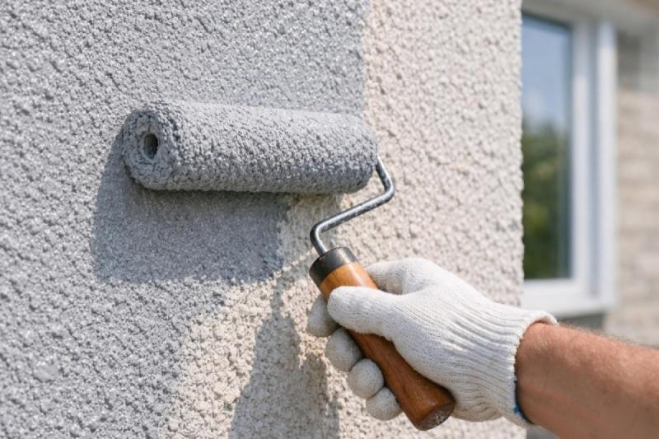
Exterior painting helps protect your Ottawa home by creating a durable, weather-resistant coating that sheds liquid water, slows moisture intrusion, and shields vulnerable surfaces from sun and seasonal wear. In a freeze-thaw climate, that protection works best when the surface is sound, dry, properly sealed where appropriate, primed, and coated under the manufacturer’s recommended conditions.
KEY TAKEAWAYS
- Freeze-thaw damage becomes more likely when moisture gets into cracks, joints, or porous materials and then freezes; keeping exterior surfaces sound and well maintained reduces opportunities for water entry.
- Exterior paint is protective, not merely cosmetic, but it is not a substitute for fixing leaks, failed flashing, rotten wood, or other building-envelope defects.
- Caulking should be used selectively at appropriate gaps and joints before painting; drainage paths, weep holes, and assemblies designed to drain should not be sealed.
- Surface preparation is critical to coating durability: loose paint, dirt, failed caulk, bare areas, and moisture problems should be corrected before new paint is applied.
- Application weather matters. The surface must be dry, and temperature, humidity, dew point, rain risk, and cure time should stay within the coating manufacturer’s instructions.
Why Ottawa’s Freeze-Thaw Cycle Is Hard on Exterior Paint
Ottawa’s freeze-thaw cycle is hard on exterior paint because moisture can seep into small cracks and porous surfaces as temperatures repeatedly move above and below freezing. When trapped water freezes, it expands and can widen existing defects; after a thaw, those openings can admit more water, and the cycle starts again. The City of Ottawa identifies freeze-thaw cycles as a recognized risk to buildings and other infrastructure.
The number and severity of freeze-thaw events vary by winter and local conditions, while wall orientation, sun exposure, and wind-driven rain can affect how wet a wall becomes and how quickly it dries. A durable coating system must remain well bonded as exterior surfaces undergo temperature changes and repeated wetting and drying. Once the paint film cracks or lifts, weather can reach bare wood, masonry, trim, or other exposed surfaces more easily.
For homeowners, exterior painting can be part of routine building-envelope maintenance, not just a colour change. Paint helps manage weather at the outer surface, while siding, flashing, drainage planes, roof details, and sealants handle their own roles behind and around it. If water is entering due to a leak or construction defect, paint alone will not address the source. Natural Resources Canada likewise describes flashing, siding, drainage planes, and related details as part of the system that keeps a wall dry.
The Role of Proper Caulking and Sealing Before Any Paint Goes On
Proper caulking and sealing close appropriate gaps before paint is applied, helping reduce wind-driven rain and moisture entry around trim, windows, doors, and compatible siding joints. The key word is appropriate: a good exterior painter does not simply caulk every visible opening. Sherwin-Williams guidance specifically warns against caulking siding lap joints because doing so can trap moisture behind the siding and contribute to peeling.
Prep starts with inspection. Loose or split caulk is removed, gaps are evaluated, and the underlying surface is checked for softness, staining, movement, or other signs that a repair may be needed first. Paintable exterior sealant is then applied where the joint is meant to be sealed, while designed drainage openings and weep paths are left functional.
This is where T.P. Hogan’s ‘prep is the job’ approach matters. Washing, scraping, sanding, patching, spot priming, and careful sealing are the unglamorous steps that provide a sound surface for the finish coat to adhere to. If you want to see how that fits into a complete project, our professional exterior painting service in Ottawa covers preparation and finish work as a single coordinated process.
Painting over failed caulk does not repair the failed joint. Correcting the joint before painting eliminates a known path for moisture entry and gives the coating system a stronger edge against rain, snow, spring melt, and temperature changes.
Choosing Paint Products Rated for Extreme Temperature Swings
Choose exterior paint by matching the coating to the surface, exposure, and application conditions, rather than relying on a broad ‘all-weather’ label. The manufacturer’s data sheet should specify which substrates the product is intended for, when primer is required, and the temperature and moisture conditions required during application and curing.
For Ottawa homeowners, the application window matters as much as the product name. A warm afternoon is not enough if the temperature is forecast to drop below the coating’s limit before it has fully formed and cured, or if dew, rain, or a damp surface interferes with adhesion. Manufacturer application guidance notes that dew, moisture, and overnight temperatures can interfere with film formation and adhesion, so professional painters plan around the full weather window, including overnight conditions.
Product selection also varies with the substrate. Painted wood, fibre-cement, stucco, metal, and previously coated masonry do not all require the same primer or finish system. A coating that performs well on one surface may be unsuitable for another, so compatibility with the existing coating and the underlying material should be confirmed before work begins.
Our broader painting services follow the same approach: evaluate the surface first, then choose the prep, primer, and finish system based on what is actually present. This avoids treating every Ottawa home as if it were built from the same materials or exposed to the same conditions.
Signs Your Current Exterior Paint Is Already Failing
Exterior paint is failing when it no longer forms a continuous, well-bonded film on the surface. Peeling and flaking are obvious signs, but smaller changes can signal that maintenance is due before the underlying material is widely exposed.
Watch for these conditions during a walk around your home:
- Peeling, flaking, or curling edges where the old coating has lost adhesion.
- Cracks or splits in the paint film, especially around trim and joints.
- Bare wood or primer showing through on weathered edges and high-exposure areas.
- Failed, shrunken, or detached caulking around windows, doors, and trim.
- Blistering, recurring staining, or soft material that may point to a moisture problem.
- Heavy chalking or a powdery surface that must be cleaned and evaluated before recoating.
A recurring blister, stain, or peeling area can point to moisture coming from behind the surface, a roof or flashing issue, or a joint that keeps moving. In those cases, diagnose the cause before repainting so you don’t cover up the same failure and repeat it.
Homeowners in Kanata, Barrhaven, Orleans, Nepean, the Glebe, Westboro, Centretown, and Stittsville can see different exposure from one elevation to another. National Research Council Canada research across 11 Canadian cities, including Ottawa, found that wall orientation and wind-driven rain affect moisture performance; sun exposure also changes drying conditions. That is why one side of a home can weather faster than another.
What a Proper Prep and Paint Job Protects Against Long Term
A proper prep and paint job protects the exterior surface from repeated wetting, ultraviolet exposure, dirt, and normal weathering, while helping reduce moisture reaching vulnerable materials. On sound painted wood and trim, a suitable coating system can help extend service life when repairs and moisture sources are addressed first. The U.S. Forest Service Wood Handbook identifies protection from water, sunlight, and weathering as the primary technical role of exterior wood finishes.
Long-term value comes from the full system: clean, dry surfaces; removal of loose material; repairs where needed; application of a compatible primer to bare or problem areas; selective caulking; and finish coats applied at the correct spread rate and in suitable weather. Skipping those fundamentals can compromise coating durability.
Exterior painting involves coating a building’s exterior paintable surfaces, typically after surface preparation and, where needed, priming and sealing, to improve appearance and help protect them from weather exposure. It is one layer of protection within the broader building envelope, not a stand-alone waterproofing system.
For a family-run company that has worked in Ottawa for more than 40 years, that distinction matters. We would rather tell you a repair is needed before painting, or that the weather window is too tight, than put a finish over a problem that is likely to return. You can read more about TP Hogan’s family history and the standard carried across two generations on our About page.
Frequently Asked Questions
Does Exterior Paint Really Protect Wood and Siding, or Is It Just Cosmetic?
Yes. On paintable surfaces, a properly specified and maintained exterior coating helps shed liquid water, reduce direct weather exposure, and protect the surface from sunlight and normal wear. It also improves appearance, but protection depends on proper preparation and a sound substrate. Paint cannot repair rot, stop a roof leak, or replace the drainage and flashing details that keep the wall assembly dry.
How Often Should Exterior Paint Be Redone in a Cold Climate Like Ottawa’s?
There is no single repaint interval that fits every Ottawa home. Timing depends on the substrate, previous preparation, product quality, colour, sun and rain exposure, and whether moisture affects the surface. A practical approach is to inspect the exterior regularly and repaint when adhesion, caulking, or coverage begins to fail, rather than waiting for widespread peeling and bare material.
What Happens If Exterior Paint Is Applied Without Proper Caulking First?
If a joint that should be sealed is left open, new paint may cover the edges without preventing moisture from entering the gap. Movement and water can then cause cracking or early coating failure in that area. The fix is not to caulk everything; it is to identify which joints require sealant and keep intended drainage openings clear.
Can Peeling Paint Lead to More Extensive Repairs If It’s Ignored?
Peeling can be a concern, especially when it exposes vulnerable material or indicates an unresolved moisture source. Peeling paint leaves more of the underlying surface exposed to water, sunlight, and repeated wetting and drying, which can accelerate deterioration of materials such as wood. If peeling is driven by a leak, failed flashing, or trapped moisture, delaying repair can allow the underlying problem to persist.
Conclusion
A durable Ottawa exterior paint job starts before the finish coat goes on. Sound repairs, selective sealing, careful preparation, the right coating system, and a suitable weather window all help the exterior withstand repeated wetting, freezing, thawing, and summer sun. At T.P. Hogan, that is what family-run quality means: do the prep properly, explain what the home actually needs, and do not paint over a problem just to make it look finished. If your exterior is peeling, cracking, or due for maintenance, get your free, no-obligation quote and we can walk the property with you before the next Ottawa winter tests the surface again.